Anemia (low blood count) means that the level of red blood cells or hemoglobin in the blood is below normal. The most common anemia symptoms are fatigue, weakness, pale skin, dizziness and shortness of breath. Only a blood test can show the exact cause, so if you suspect anemia, the best step is to book an online appointment with a verified doctor.
What is anemia (low blood count) and why does it occur?
The role of red blood cells and hemoglobin
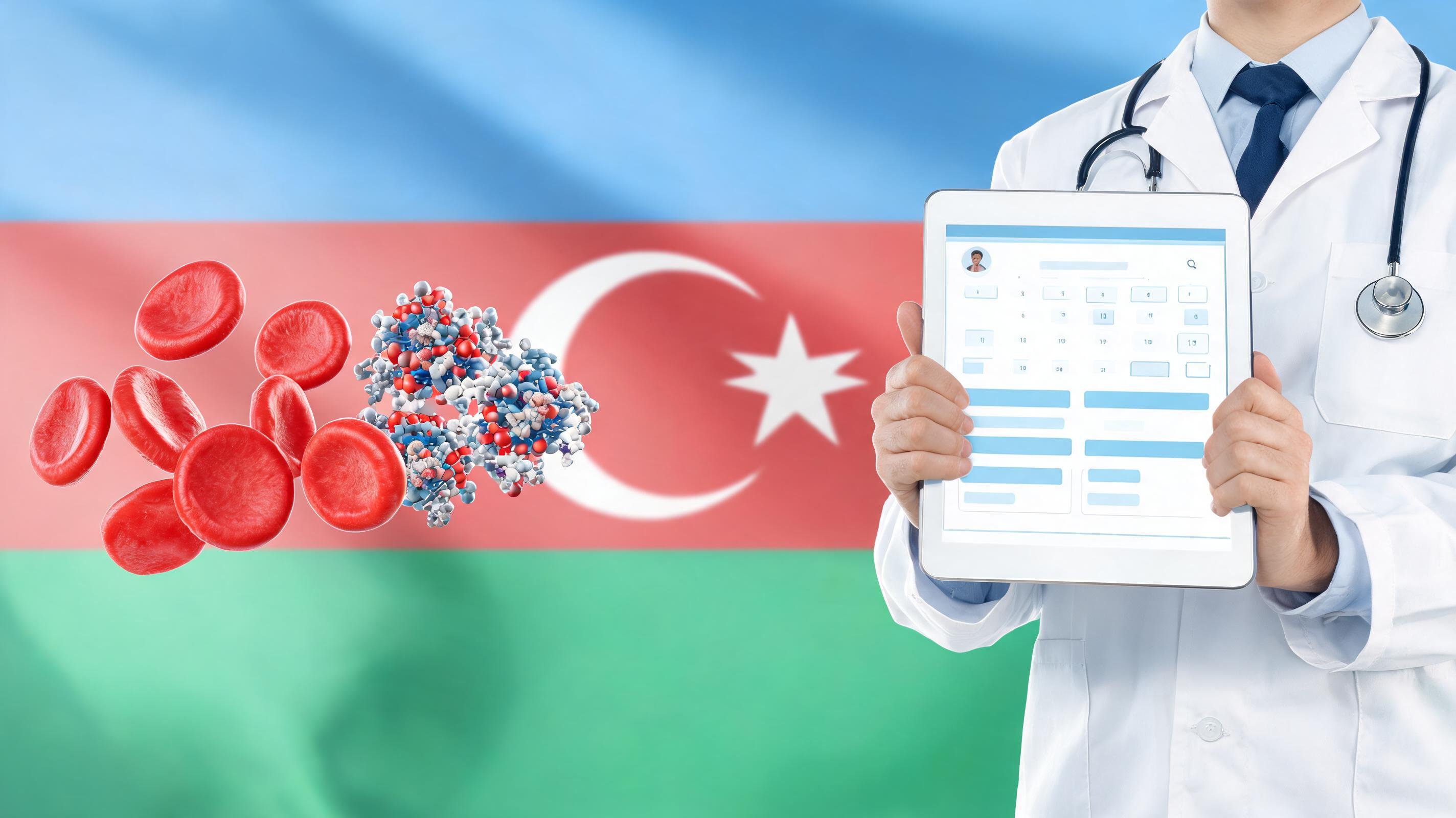
Red blood cells carry the oxygen they pick up in the lungs to all organs, and the hemoglobin inside them makes this possible. When the number of red blood cells or the amount of hemoglobin drops, tissues cannot get enough oxygen and the body starts to tire quickly. For this reason, anemia is often seen less as a disease in itself and more as the result of another problem.
The most common causes
- Lack of iron, vitamin B12 or folic acid in the diet;
- Prolonged or heavy bleeding (for example, heavy periods or gastrointestinal bleeding);
- Chronic diseases, kidney disease and inflammatory processes;
- Pregnancy and periods of rapid growth, because the need for iron increases;
- Genetic causes.
The main types of anemia
| Type | Main cause | Brief explanation |
|---|---|---|
| Iron deficiency anemia | Iron deficiency | This is the most common type. |
| B12 and folic acid anemia | Vitamin deficiency | The production of blood cells is disrupted. |
| Anemia of chronic disease | Long-term illness | The underlying disease must be treated. |
| Thalassemia | Genetic anomaly | Requires supervision by a hematologist. |
Identifying the type correctly is important, because the treatment for each one is different. For example, an iron supplement does not help with a B12 deficiency.
Anemia symptoms and signs
- Fatigue, weakness and dizziness: a lack of energy that does not go away even after rest;
- Pale skin, hair loss and brittle nails: may be seen especially in iron deficiency;
- Shortness of breath, palpitations and nausea: difficulty breathing even with light physical effort.
These signs can also appear in other diseases, so you should not draw conclusions on your own. To assess your general condition, it is useful to consult internal medicine doctors.
A real-life scenario: when should you see a doctor?
Suppose a 32-year-old woman notes that for several months she has been getting short of breath when climbing stairs, her hair has been falling out, and she wakes up tired in the mornings. Even if her hemoglobin is close to normal, her ferritin test may come back low; this means a hidden iron deficiency. Examples like this show that looking only at a complete blood count is sometimes not enough.
If any of the following applies to you, see a doctor without waiting:
- The symptoms last for more than two weeks;
- You have heavy periods or notice blood in your stool;
- Palpitations or shortness of breath make daily life difficult;
- You are planning a pregnancy or are pregnant.
Anemia in children and during pregnancy
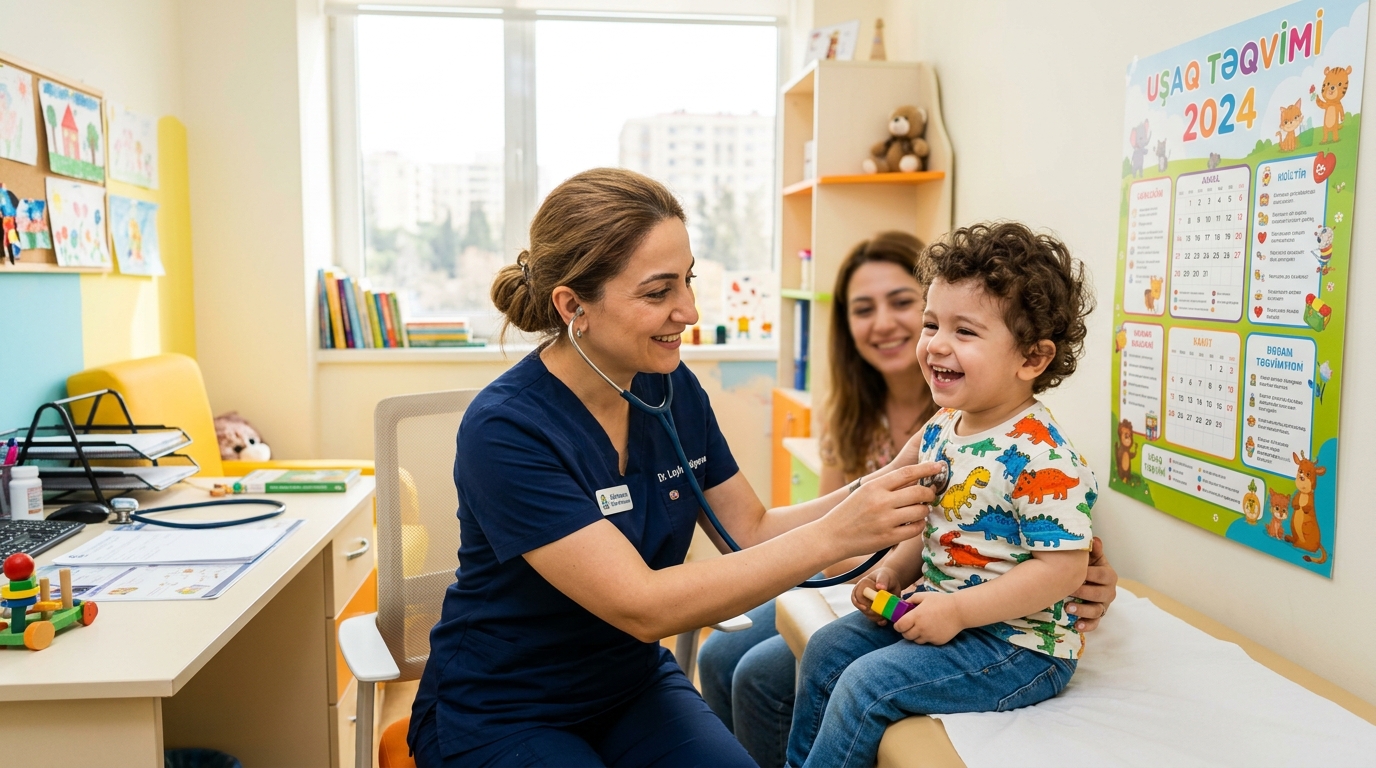
In infants and school-age children, iron deficiency can show up as paleness, tiring quickly, loss of appetite and reduced attention. If it is left untreated for a long time, it can negatively affect the child's development and learning. In such cases, it is recommended to see child health doctors.
During pregnancy, blood volume increases and the need for iron rises. Untreated anemia can cause weakness in the mother and risks to the baby's health. Pregnant women should monitor their tests together with an obstetrician-gynecologist.
Diagnosis: which tests should you take?
- Complete blood count (hemogram): gives the hemoglobin and red blood cell values;
- Ferritin: shows the body's iron stores and reveals a hidden deficiency;
- Transferrin and iron-binding capacity: evaluates how iron is transported in the blood;
- Vitamin B12 and folic acid: ordered additionally when a deficiency is suspected.
To have the tests done at a place of your choice, you can compare tests and prices on the laboratories page. Always have the results interpreted together with a doctor.
Treatment and prevention
Iron supplements
The dose and duration of iron supplements should be set only by a doctor. Wrong and unnecessary iron intake can cause gastrointestinal discomfort, and excess iron is a separate risk for the body. That is why taking "preventive" iron without a test is not the right approach.
Nutrition
- Red meat, liver, egg yolk;
- Lentils, beans, chickpeas;
- Spinach and other leafy green vegetables;
- Dried apricots, jujube and nuts.
Advice from a dietitian can also help with a diet plan.
Factors that affect iron absorption
- Increase it: foods containing vitamin C (lemon, peppers, strawberries);
- Decrease it: tea, coffee and dairy products; it is advisable to take these at least one to two hours apart from iron-rich meals.
For more information about anemia, you can read the World Health Organization's anaemia page and the anemia information from the US National Heart, Lung, and Blood Institute (NHLBI).
How to book a doctor with an online appointment
On the Uzman Həkim platform, each doctor's diploma and license are checked and verified; you can read more about the platform on the about us page. Follow these steps to book:
- Choose a specialty (internal medicine, hematology or pediatrics) from the specialist doctors list;
- Review the doctor's profile, education and clinic;
- Pick a time that suits you and book an online appointment;
- Take the tests the doctor recommends and come to the appointment with the results.
If you or your loved ones have anemia symptoms, do not wait: book an appointment within minutes and find out the exact cause. This article is for information purposes and does not replace a medical examination.
Frequently asked questions
What is the fastest way to recover from anemia?
The cause must be identified first. In iron deficiency, a supplement prescribed by a doctor and iron-rich foods are used; a vitamin B12 deficiency requires a different treatment. Taking supplements on your own is not the right approach.
What foods should a person with anemia eat?
Red meat, liver, egg yolk, lentils, beans, spinach and dried fruits are rich in iron. Eating them together with foods containing vitamin C may help iron absorption.
What are the first signs of iron deficiency in children?
There may be paleness, tiring quickly, loss of appetite, reduced attention and irritability. If you notice such signs, it is advisable to see a pediatrician and have a complete blood count done.
Can anemia cause low blood pressure?
Yes, some people with anemia may experience dizziness and a feeling of low blood pressure. However, these signs have other possible causes too, so a doctor's assessment is important.
When and how should iron medication be taken?
The doctor sets the dose and timing. In general, it is recommended not to take it at the same time as tea, coffee and dairy products, because they can reduce iron absorption.
Is anemia dangerous?
Mild forms often resolve with treatment, but anemia left untreated for a long time can affect the heart and overall health, and during pregnancy it can pose a risk to the mother and the baby.
Can a B12 deficiency also cause anemia?
Yes. A deficiency of vitamin B12 and folic acid prevents the normal formation of red blood cells and can cause a separate type of anemia.