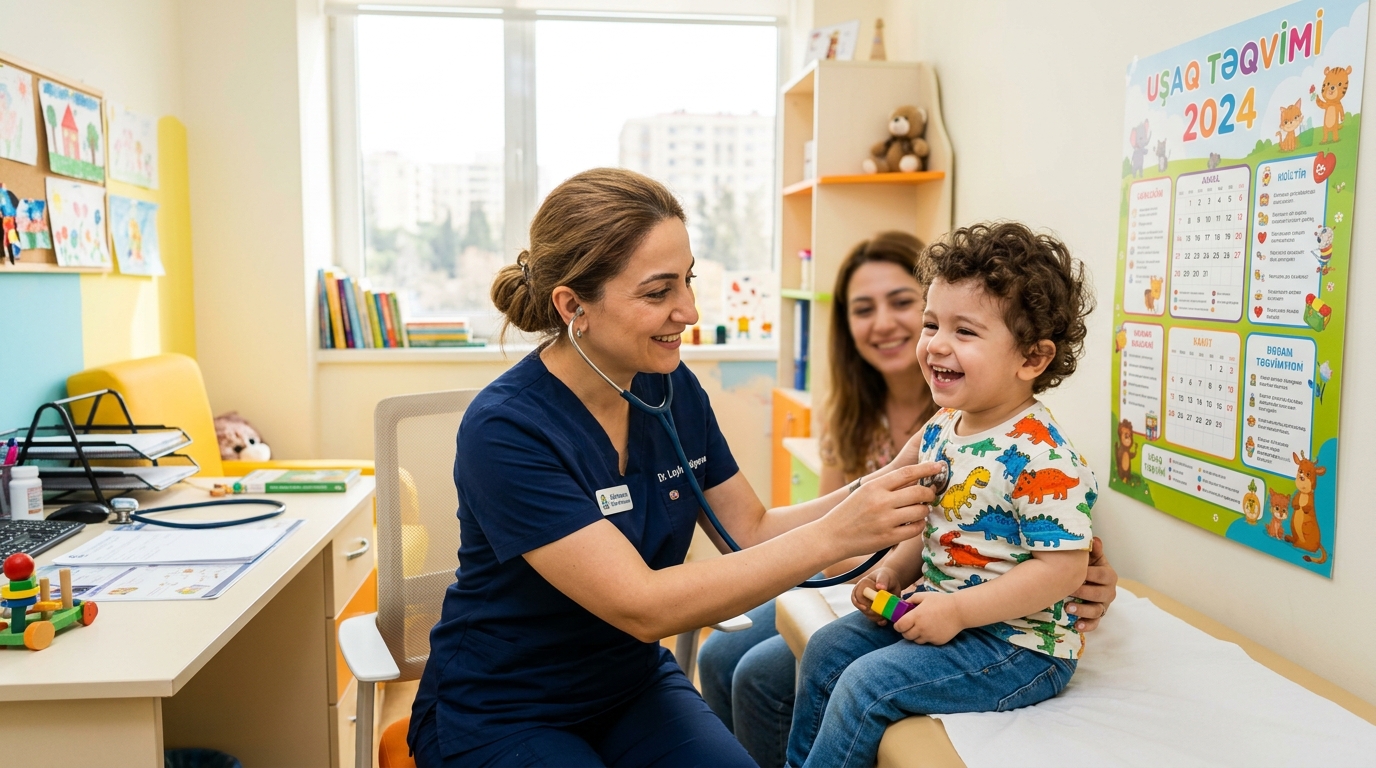
A child's vaccination schedule is a calendar showing which vaccines are given at which stage according to the child's age, and the most reliable way to follow it is together with the pediatrician who monitors your child. Parents should keep the vaccination card, plan the next visit in advance, and discuss every question openly with the doctor. This guide explains how to do that in simple steps.
What is a vaccination schedule and why does it matter?
A vaccination schedule is a plan that sets the order of vaccines intended from the day a child is born until school age, and the intervals between them. Each vaccine prepares the child's immune system against a specific disease. The World Health Organization presents vaccines as one of the most effective ways to protect children from serious infectious diseases: WHO — Vaccines and immunization.
The basic logic of the schedule is simple: vaccines are timed to the age periods when the child's body responds to them best. That is why it is not right to bring a vaccine forward or delay it on your own; such decisions should only be made together with the doctor. Some vaccines are given in several stages so that the child gains lasting protection.
How to follow the vaccination schedule?
The most common problem parents face is forgetting vaccination dates or losing the card. Setting up a simple system is enough to prevent this.
Vaccination card and documents
- Always keep the child's vaccination card (or medical card) in the same place.
- Keep a photo of the card on your phone as a backup.
- Check the date of each vaccine, the vaccine name and the facility where it was given.
- Take the card with you when moving to another city or clinic.
Reminder routine
- Ask the pediatrician for the approximate time of the next vaccine.
- Set a reminder on your phone for 7 days before that date.
- Book an appointment within that period and assess the child's condition.
- After the vaccination, check that the card has been filled in.
The parent's role at each age stage
The specific ages and vaccine names in the schedule are listed in the country's official calendar and may be updated over time, so always consult your pediatrician for exact dates. The table below shows what parents should practically do at each stage.
| Stage | What should the parent do? |
|---|---|
| First days after birth | Check that the vaccination card has been issued and the records have been made. |
| Infancy | Meet the pediatrician regularly and find out the date of the next vaccine. |
| Early childhood | If a vaccine was missed, make a catch-up plan with the doctor. |
| Preschool and school period | Update the card and check school requirements with the doctor. |
If you want to learn about international practice, UNICEF's immunization page provides useful general information.
In practice, the approach that works best is this: at every vaccination visit, ask the doctor in writing for the approximate time of the next visit. Many parents note this on the back of the card, so the next year's plan is not forgotten. If you have several children, keep each child's card in a separate folder so that dates don't get mixed up.
Real scenario: how to catch up on a missed vaccination?
Suppose a family has moved, finding a pediatrician in the new city took several months, and the child's vaccination fell behind the planned time. In such a situation, parents often want either to start everything from scratch or to do nothing. Both approaches are wrong. The correct sequence is:
- Gather all previous vaccination records (card, extract, information from the previous clinic).
- See the pediatrician and confirm which vaccines the child has already received.
- Ask the doctor for a written catch-up plan: which vaccine will be given first and which afterwards.
- Book appointments in advance for each visit according to the plan.
- Update the card each time and note the next date.
The key rule: it is not too late to catch up on a missed vaccine, but only the doctor can set the plan.
Common misconceptions about the vaccination schedule
Parents often worry based on information they hear on social media and from acquaintances. The most common misconceptions are these:
- "It doesn't matter if the child is vaccinated a little late." A delay means the child stays unprotected for a while; the catch-up plan should be set by the doctor.
- "A child with a mild cold can't be vaccinated." Not every illness is an obstacle to vaccination; only the doctor can say this after an examination.
- "A vaccine reaction is a sign of danger." Mild reactions are often expected, but strong symptoms should be reported to the doctor.
- "The same plan works for every child." The general calendar is valid for most children, but in special cases the doctor can individualize the plan.
Before believing any information, verify it with an official source and your pediatrician.
Vaccination schedule in special cases
For some children, the vaccination plan requires an individual approach. In these cases, be sure to consult a specialist:
- Babies born prematurely.
- Children with a chronic illness or allergies.
- Children who had a strong reaction to a previous vaccine.
- Children who moved from another country and have an incomplete card.
- Families planning to travel abroad.
In such situations, the doctor reviews the child's medical history and, if necessary, orders additional examinations. If tests are required, you can compare tests and prices on the laboratories page.
How to prepare for a pediatrician visit?
An experienced pediatrician visit doesn't end with giving a vaccine; the doctor also evaluates the child's height and weight gain, nutrition, developmental milestones and past illnesses. To get the most out of the visit, prepare in advance.
- Bring the vaccination card and previous examination results.
- Note the child's health in recent weeks (fever, cough, diarrhea, allergies).
- Recall the reactions to previous vaccines.
- Write down the questions you will ask the doctor in advance.
- Tell the doctor the names of any medicines or supplements the child takes.
During the visit, ask the doctor these questions: which vaccine is planned today, which reactions are expected after the vaccine, in which cases you should call, and when the next visit should be. A good habit: on the same day after the visit, write what the doctor said as a short note on your phone.
How to choose an experienced pediatrician?
Because a child's health is monitored over years, choosing a doctor is a long-term decision. When choosing, look at these criteria:
- Are the doctor's diploma and license verified?
- Does their specialty match child health?
- Does the doctor answer your questions in plain language?
- Are the clinic's location and working hours convenient for you?
- Does the appointment system reduce waiting time?
To find suitable facilities in Baku and the regions, you can check the clinics section.
What should you pay attention to after vaccination?
After a vaccination, redness at the injection site, a mild fever or irritability may be observed. These often show that the body is responding to the vaccine. But in the following cases you should see a doctor without delay:
- The fever rises and doesn't go down with medication.
- The child sleeps unusually much, refuses to eat or cries continuously.
- A skin rash, difficulty breathing or swelling of the face appears.
For detailed information on vaccine safety and possible reactions, you can see the CDC's vaccines page. Make personal decisions only with the doctor who knows your child.
Online pediatrician appointments on the Uzman Həkim platform
Uzman Həkim brings verified doctors together as Azerbaijan's healthcare platform. Each doctor's diploma and license are checked, so parents can be confident they are choosing a trustworthy specialist. You can read more about this on the About Us page; if you have questions, you can write to us on the contact page.
- Go to the Child Health and Diseases doctors page.
- Review the doctor's experience, clinic and profile.
- Choose a day and time that suit you.
- Confirm the appointment and bring the vaccination card to the visit.
For a wider choice, see the list of all expert doctors, and follow our health blog for more articles on child health. With an online appointment, you can get a visit time within minutes.
A short checklist for parents
- The vaccination card is with you and the dates have been checked.
- The time of the next vaccine has been agreed with the pediatrician.
- The child's health in recent days has been reported to the doctor.
- The signs to watch after vaccination are known.
- An appointment has been booked for the next visit.
Remember that this article is informational and does not replace a medical examination. Make every decision about your child's vaccination plan together with the pediatrician.
Frequently asked questions
Where can I find the vaccination schedule?
The most reliable source is your child's pediatrician and the official calendar of health authorities.
What should I do if a vaccination was missed?
Don't decide on your own; contact your pediatrician. The doctor will determine how the remaining vaccines should be completed.
Are children vaccinated when they are sick?
It depends on the type and severity of the illness; the doctor examines the child and decides.
Which symptoms are normal after a vaccination?
Redness at the injection site, a mild fever and tenderness are common reactions. If symptoms get worse, contact a doctor immediately.
How do I book an online appointment with a pediatrician?
On the Uzman Həkim platform, choose the child health specialty, view a verified doctor's profile, pick a suitable time and book your appointment.